
A werewolf name has two jobs at once. It must sound like a person someone could know, a neighbour, a friend, a rival, and it must also carry the wildness that arrives with the full moon. The strongest names in this guide do both: they feel human enough to belong in a village, a school, or a modern city, and fierce enough to belong in a forest at midnight when the change takes hold.
Werewolves, also called lycanthropes in older stories, appear in folklore from many cultures, from Norse wolf warriors to Slavic forest spirits and modern urban fantasy packs. That long history is why werewolf naming draws on so many languages: Germanic compounds built on wolf roots, Norse names tied to moon and battle, Latin and Greek names tied to hunting and night, and invented names that blend those traditions for new worlds. This guide uses first names only, because a werewolf’s given name is the name friends shout, enemies remember, and packs answer to.
Below you will find one hundred and seventy werewolf names, organised by gender, theme, and role, each with a short note to speed up choosing. Further down you will find guidance on tying a name to a pack role, keeping a big cast distinct, and sidestepping the slips that blur werewolf characters together. Whether you are writing a novel, running a tabletop campaign, or naming a game character, start with personality and pack role, then let sound do the rest.
Table of Contents
- Quick Picks: Favourite Werewolf Names
- Male Werewolf Names
- Female Werewolf Names
- Moon and Night Werewolf Names
- Forest and Wild Werewolf Names
- Alpha and Pack Leader Werewolf Names
- Short Werewolf Names for Gaming
- How to Choose the Right Name
- Pairing a Name With a Character
- Mistakes to Avoid When Naming
- Sound, Spelling and Pronunciation
- Building a Pack Around One Werewolf
- Unisex Werewolf Names
- Werewolf Names by Pack Role
- How to Invent Your Own Werewolf Name
- Using Werewolf Names in Stories and Games
- Werewolf Folklore and Naming Traditions
- FAQs
- Conclusion
- Final Thoughts
Quick Picks: Favourite Werewolf Names
These ten favourites are the fastest route to a strong werewolf character. Each one balances a human shape with a wild edge, and each works equally well for a hero, a conflicted outsider, or a pack leader with difficult decisions to make.
| Name | Short Note |
|---|---|
| Wulfram | wild herald along river bends |
| Fenrik | wild ruler under pale moons |
| Ulvar | watchful rider in snowbound passes |
| Greymar | noble runner under dark canopies |
| Howlan | hungry hound across windswept ridges |
| Sabeline | pine son beneath storm clouds |
| Thornar | loyal beast beneath towering oaks |
| Ashvar | wandering flame across windswept ridges |
| Rookan | watchful brother beneath northern lights |
| Vargis | ancient pup through moonlit clearings |
Male Werewolf Names
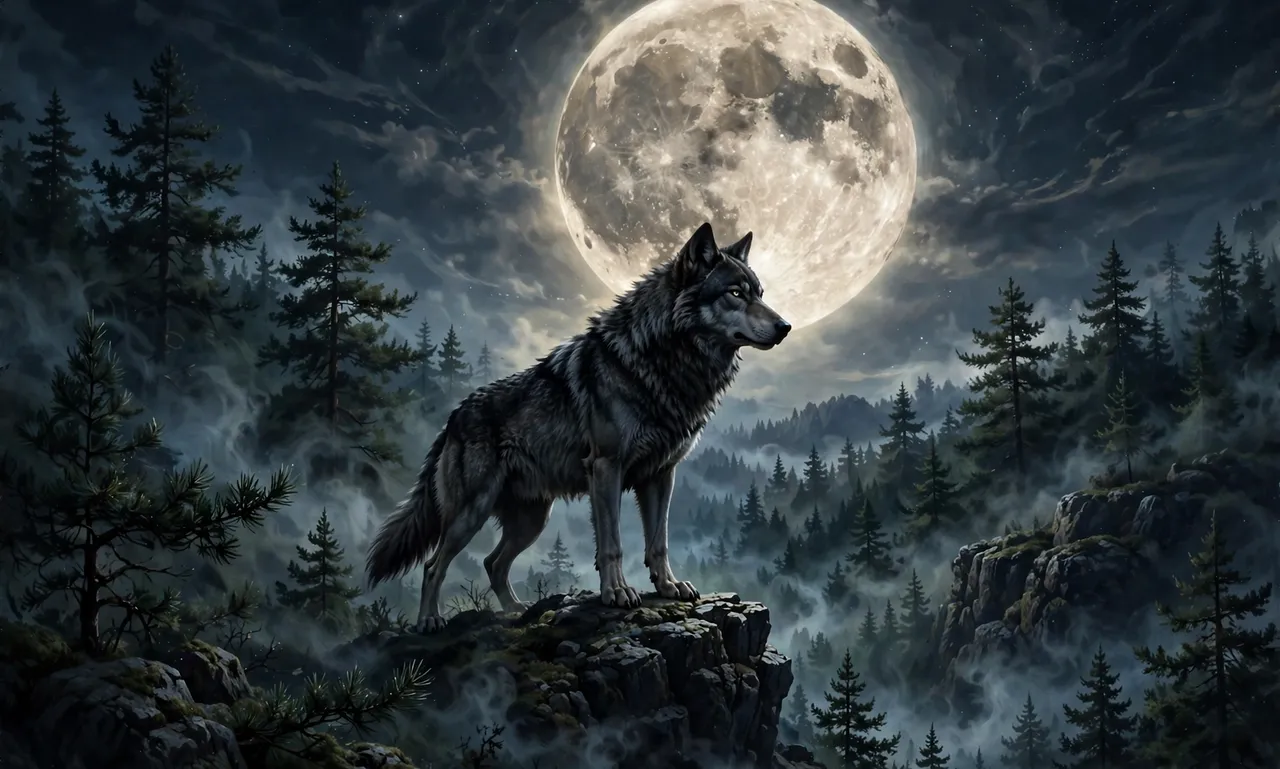
Male werewolf names in folklore lean heavily on Germanic and Norse wolf roots, and this group honours that tradition with sturdy, battle-ready compounds. They suit alphas, warriors, trackers, and brooding loners, and they pair naturally with titles such as scout, warden, or elder.
| Name | Short Note |
|---|---|
| Hrodulf | scarred warden beneath towering oaks |
| Sigwulf | stormy daughter of pine forests |
| Arnulf | scarred brother through fern-filled hollows |
| Beorwulf | silent hound through shadowed groves |
| Eadwulf | wandering beast in snowbound passes |
| Garwulf | dusk guardian in misty clearings |
| Hildulf | free rider in quiet glades |
| Leodulf | night guardian in remote hamlets |
| Osulf | steadfast heart under pale moons |
| Theodulf | silent omega through shadowed groves |
| Wulfstan | swift wolf through deep ravines |
| Aethelwulf | shadowed caller through ancient woodlands |
| Berowulf | wolven companion in wild highlands |
| Cynwulf | night flame over winter peaks |
| Dunwulf | scarred storm in hidden valleys |
| Eorwulf | dusk hound through shadowed groves |
| Fridwulf | dusk dreamer under dark canopies |
| Grimwulf | ember shield in misty clearings |
| Halwulf | scarred stalker through moonlit clearings |
| Ivarwulf | loyal weaver across frozen lakes |
| Jorwulf | thorn champion across windswept ridges |
| Kenwulf | silent flame across windswept ridges |
| Lodwulf | shadowed wanderer through moonlit clearings |
| Wulfhere | bold friend beneath storm clouds |
| Ragnwulf | moonlit ruler beneath full moons |
Female Werewolf Names
Female werewolf names balance grace with ferocity, which is exactly the duality the archetype demands. These choices suit alphas, huntresses, healers, and rebels, and they avoid the trap of making fierce women sound only delicate or only dangerous.
| Name | Short Note |
|---|---|
| Ulva | restless beast in misty clearings |
| Wulfa | brave bearer along forest roads |
| Fenna | wolven scout in remote hamlets |
| Lupina | scarred voice in wild highlands |
| Vargana | bold wanderer through deep ravines |
| Howla | howling spirit along river bends |
| Moona | wandering shield beyond the treeline |
| Sylva | silent mother over winter peaks |
| Ragna | wolven spirit through deep ravines |
| Brunna | iron tracker through fern-filled hollows |
| Hilda | howling alpha beneath towering oaks |
| Gerda | autumn daughter across frozen lakes |
| Astrid | shadowed ruler along mountain trails |
| Solveig | stormy father beneath storm clouds |
| Ingrid | night daughter in quiet glades |
| Solveiga | wandering friend along forest roads |
| Ingridis | ancient warden through deep ravines |
| Astrida | mountain caller through moonlit clearings |
| Ragnild | feral hunter through shadowed groves |
| Brunhild | wild son beneath northern lights |
| Gerdaine | brave stalker along forest roads |
| Hildara | dusk watcher under dark canopies |
| Fenella | dusk champion through moonlit clearings |
| Lupetta | grey stalker through fern-filled hollows |
| Vargilde | autumn mother beneath northern lights |
Moon and Night Werewolf Names
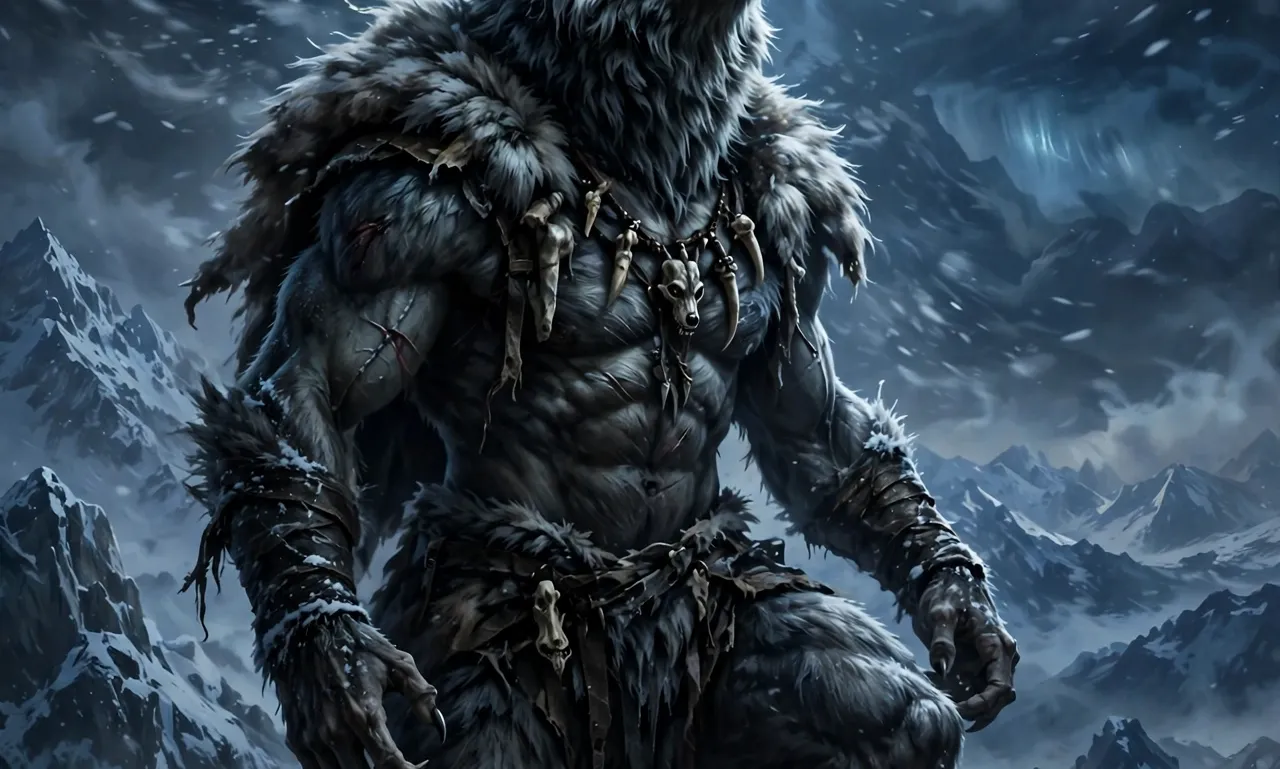
The moon is the werewolf’s oldest companion, so lunar names feel inevitable for characters whose transformations follow its cycle. This group favours night, star, and eclipse imagery, and suits seers, cursed nobles, and wolves who control their change better than their packmates.
| Name | Short Note |
|---|---|
| Lunarik | swift hound along forest roads |
| Moonrik | dawn hunter through autumn woods |
| Selvar | swift runner through autumn woods |
| Nightvar | thorn shield along rocky streams |
| Starvar | iron howler beneath storm clouds |
| Eclivar | steadfast father in wild highlands |
| Duskvar | wolven leader along forest roads |
| Dawnvar | river weaver through autumn woods |
| Twivar | watchful guide through whispering pines |
| Shadvar | mountain daughter under dark canopies |
| Astravar | ancient mother through fern-filled hollows |
| Celvar | savage daughter in quiet glades |
| Novarik | rugged hunter along river bends |
| Lunvar | restless heart in remote hamlets |
| Solvar | frosty sister beneath full moons |
| Umbravar | grim messenger in quiet glades |
| Noctvar | iron howler through moonlit clearings |
| Vespervar | frosty tracker through autumn woods |
| Midvar | night pup in wild highlands |
| Aurvar | grim hound across windswept ridges |
Forest and Wild Werewolf Names
Forest names root a werewolf in place: pine, fern, stone, river, and storm. They suit rangers, hermits, and pack members who live far from towns, and they work beautifully for characters whose human life has already slipped away into the trees.
| Name | Short Note |
|---|---|
| Forrik | ember caller across open moors |
| Oakar | brave father of pine forests |
| Pinvar | dawn son over winter peaks |
| Thornvar | river daughter across open moors |
| Briarvar | rugged mother under pale moons |
| Fernvar | stormy beast in quiet glades |
| Mossvar | snowy friend through ancient woodlands |
| Stonevar | swift tracker through shadowed groves |
| Rivvar | fierce shield over rolling hills |
| Stormvar | swift tracker in remote hamlets |
| Frostvar | bold daughter under dark canopies |
| Embervar | wandering alpha along forest roads |
| Cindvar | steadfast wanderer under dark canopies |
| Wildvar | wandering friend through shadowed groves |
| Huntvar | thorn stalker under pale moons |
| Trackvar | loyal hunter beneath full moons |
| Prowlvar | restless leader of pine forests |
| Fangvar | pine beast along forest roads |
| Clawvar | wolven shadow beyond the treeline |
| Howlvar | savage herald over rolling hills |
Alpha and Pack Leader Werewolf Names
An alpha’s name is heard more than any other in a pack story, so it must carry authority without sounding like a caricature. These names favour weight, clarity, and command, and they suit leaders, betas, guardians, and elders who hold a pack together through hard winters.
| Name | Short Note |
|---|---|
| Alphar | feral shadow beneath full moons |
| Packvar | noble singer across open moors |
| Leadvar | thorn mother in quiet glades |
| Chiefvar | noble hunter in remote hamlets |
| Kingvar | steadfast dreamer along rocky streams |
| Queenvar | dawn howler along mountain trails |
| Guardvar | pine howler in snowbound passes |
| Sentvar | night fighter through deep ravines |
| Wardvar | ancient son in snowbound passes |
| Shieldvar | feral spirit along river bends |
| Ironvar | iron voice in wild highlands |
| Steelvar | night hero through ancient woodlands |
| Bloodvar | hungry tracker in remote hamlets |
| Bonevar | thorn voice under dark canopies |
| Honorvar | hungry mother over rolling hills |
Short Werewolf Names for Gaming
In games, a short name wins. It fits username limits, reads clearly in a party list, and survives fast voice chat during combat. These compact choices keep the wolfish punch of the longer lists while staying quick to type and easy to call out.
| Name | Short Note |
|---|---|
| Wulf | feral watcher through ancient woodlands |
| Varg | fierce sister in quiet glades |
| Fen | stormy watcher beneath storm clouds |
| Ulv | feral friend through deep ravines |
| Rook | autumn tracker in snowbound passes |
| Grim | loyal son along rocky streams |
| Ash | shadowed father over winter peaks |
| Thorn | bold tracker through whispering pines |
| Fang | shadowed ruler beneath storm clouds |
| Claw | feral beast in hidden valleys |
| Moon | oak alpha in quiet glades |
| Storm | restless singer in hidden valleys |
| Frost | stormy beast across windswept ridges |
| Wolf | savage mother through whispering pines |
| Lup | free runner through deep ravines |
How to Choose the Right Name
Start with pack role, because role shapes sound more than any other factor. An alpha needs weight and clarity, a scout needs speed and lightness, and a healer needs calm and warmth. Write the role in one sentence first, for example a young scout who runs messages between rival packs, then shortlist only names that fit that sentence. A name chosen for role will feel right in every scene, while a name chosen only for coolness often fights the character’s job. For a neighbouring dark fantasy collection with a different mood, see our vampire names guide and compare how its sounds differ from the wolfish ones here.
Next, test the name inside your cast. Read a page of dialogue aloud using the shortlisted name, and watch for confusion with other characters, especially those who share a starting sound or a rhythm. Packs make this harder than solo stories, because five or six wolves may share scenes, so vary first letters, syllable counts, and endings across the pack. A simple spreadsheet or list of your cast’s names, sorted by sound, will reveal collisions before readers do. Keep a shortlist of five names and say each one aloud with the character’s surname and title, because a name that sings on paper can stumble in dialogue, and the right test is hearing it spoken.
Finally, remember this guide gives first names only, by design. A werewolf’s given name is the personal name used by friends and packmates, and keeping surnames out of this list keeps it distinct from surname collections and easier to combine with any family name your world requires. Choose the given name here, then add a surname, a pack title, or an earned epithet from your own setting to complete the character.
Pairing a Name With a Character
Pairing a name with a backstory means letting each explain the other. A forest name such as Fernvar invites a life lived outdoors, a mentor who taught tracking, and a reason to distrust towns, so build those details into early scenes. A moon name such as Eclivar invites a rare birth, an unusual transformation, or a prophecy the character resents, and readers will expect that promise to pay off. When name and history point together, characters feel inevitable rather than assembled.
Contrast can be powerful when it is deliberate. A gentle name on a brutal enforcer creates unease that readers enjoy, provided the story shows why the mismatch exists, perhaps a family that hoped for a peaceful child. Accidental contrast, by contrast, only confuses, because readers cannot tell whether the softness or the brutality is the real character. When contrast is the goal, let one opening scene justify it.
For gaming, pairing is also about table life. A short everyday name plus a longer ceremonial or pack title gives players two registers: the quick name for combat and the full name for rituals, introductions, and formal challenges. That dual naming mirrors real pack behaviour, where intimacy and rank change how a name is spoken, and it gives roleplayers natural tools for showing respect or defiance.
Mistakes to Avoid When Naming
Do not give every pack member the same wolf sound. A pack where everyone ends in wulf or var reads as a list, not a community, and readers will struggle to tell members apart in group scenes. Share wolf elements only between close relations or sworn pairs, and let the rest of the pack draw on moon, forest, and human names for variety.
Do not pick a name from a famous werewolf and expect your character to escape comparison. A celebrated name brings its film, book, or game with it, and your character will be measured against that original in every review and conversation. Fresh or reshaped names give your werewolf space to become someone new, which is why this guide favours invented compounds alongside traditional roots.
Do not make a name unpronounceable in pursuit of wildness. Extra consonants, competing vowel systems, and unpredictable stress do not make a werewolf fiercer; they make the character harder to discuss, recommend, and remember. One wild element is plenty. Let the story’s action carry the ferocity, and let the name carry the person.
Sound, Spelling and Pronunciation
Werewolf names need to survive shouting. A pack leader calling a name across a battlefield, a friend whispering it in a sickroom, and a narrator reading it aloud all test the same thing: does the name stay clear under pressure. Choose a strong stressed syllable near the start, avoid consonant piles that blur together, and read every finalist aloud in a full sentence before you commit. If you stumble twice, readers will stumble too, and a name that trips the tongue rarely becomes a favourite.
Spelling is a promise about sound. Germanic and Norse-inspired spellings such as wulf and var tell readers roughly how to pronounce a name even when they have never seen it before, which is why they remain popular for werewolf characters. Keep that promise by spelling each sound the same way throughout your cast, and avoid mixing two spelling systems for the same sound unless your world gives a reason, such as characters from different regions pronouncing one old name in two different ways.
In a gaming group, settle pronunciation on the first night and note it on the character sheet beside the name. That one-minute habit stops the slow drift where half the table says a name one way for an entire campaign, and it helps new players join without embarrassment. A stable, shared pronunciation also makes a werewolf character easier to talk about afterwards, which is how favourite characters earn a life beyond a single story.
Building a Pack Around One Werewolf
A lone werewolf is a tragedy or a mystery, but a pack is a society, and its names should show that society’s shape. Give the alpha a weighty, commanding name, give the scout a quick, light one, and give the healer a calm, steady one, so a reader can guess each role from sound alone before any exposition arrives. When the pack’s names differ in length and rhythm, dialogue scenes stay readable even when five wolves argue at once.
Names also carry history within a pack. An elder may keep an old name from a dissolved pack, a newcomer may arrive with a name nobody can pronounce, and a pup may carry a name chosen for a grandparent it never met. Those layers give a pack depth without extra exposition, because every unusual name invites a question that the story can answer later. Family and pack bonds can be shown through shared sounds, but use them sparingly. Two siblings sharing a wulf ending feels intentional and touching; an entire pack sharing it feels like a list rather than a family. Reserve shared elements for blood relations and sworn pairs, and let the rest of the pack vary freely. That balance keeps the pack feeling related without making every member sound like a copy of the leader.
A further pack trick is to let names change with status. A young wolf might earn a fuller name after a first hunt, a trial, or an act of loyalty, while an outcast might lose the pack element of a name until trust is restored. Name changes of this kind turn naming into story, because readers notice the moment a character is called differently and understand, without explanation, that something important has shifted.
Unisex Werewolf Names
Some werewolf characters suit a name that does not lean clearly toward one gender, especially in games where players choose their own identity, in ensemble casts where a mysterious stranger keeps readers guessing, or in stories where a wolf’s human life stays deliberately vague. The names below work for any werewolf, and each one keeps a wild edge without relying on a strongly masculine or feminine ending.
| Name | Short Note |
|---|---|
| Alderyn | quiet watcher beyond pine ridges |
| Briarlyn | gentle guardian of tangled thickets |
| Emberlyn | warm spark in cold camps |
| Falken | sharp-eyed hunter over open moors |
| Havelyn | steady traveller between two worlds |
| Juniper | fresh scent after forest rain |
| Kaelis | calm voice before the hunt |
| Loris | soft step on leaf-covered trails |
| Mistral | cool wind through mountain passes |
| Onyx | dark gleam in moonlit water |
| Perrin | kind wanderer along village lanes |
| Quillan | quick wit in tense gatherings |
| Rowen | rooted strength beside still lakes |
| Sable | silent shadow at forest edges |
| Tarian | brave heart in uncertain nights |
| Wrenna | small song before dawn breaks |
| Yslen | pale light on winter snow |
| Zephryn | restless breeze across high plains |
| Dusklyn | twilight walker between day and night |
| Nightlyn | midnight guide for lost travellers |
Werewolf Names by Pack Role
A pack is not a row of identical fighters. It has runners, carers, memory-keepers, and young wolves still learning the trails, and a name that fits the job makes each member instantly recognisable in a crowded scene. Use the groups below when a character’s role matters more than their gender or theme, and mix them with the earlier lists so no two packmates sound like copies of each other.
Scout Names
Scouts live on speed, silence, and sharp senses. Their names should feel light on the tongue, quick to shout as a warning, and easy to remember in the dark, because a scout’s name is often the first word a pack hears when danger approaches.
| Name | Short Note |
|---|---|
| Fleetwyn | fastest feet on narrow trails |
| Dashel | bold runner across open ground |
| Skiryn | light tread over fallen leaves |
| Virel | keen eyes from high ridges |
| Talen | clear signal in thick fog |
Healer Names
Healers hold a pack together after hunts, arguments, and hard winters. Their names should feel calm and trustworthy, the kind of name an injured wolf asks for without hesitation, and they work best when they suggest patience rather than aggression.
| Name | Short Note |
|---|---|
| Calmyn | soothing presence after hard hunts |
| Mendrel | patient hands for wounded friends |
| Herblyn | knowledge of roots and remedies |
| Salven | gentle care in quiet dens |
| Willowyn | flexible strength beside slow rivers |
Elder Names
Elders carry the pack’s memory: old territories, broken truces, lost members, and lessons learned the painful way. Their names should sound weighty and settled, as if they have been spoken around fires for decades, and they suit mentors, retired leaders, and storytellers.
| Name | Short Note |
|---|---|
| Eldryn | deep memory of old packs |
| Maren | wise counsel at winter councils |
| Wislyn | patient teacher of young wolves |
| Oldar | storied voice around evening fires |
| Grandyn | grand presence in crowded gatherings |
Young Wolf Names
Young wolves bring energy, curiosity, and trouble in equal measure. Their names should feel lighter and shorter than an elder’s, leaving room for the character to grow into a fuller, weightier name later if the story grants one.
| Name | Short Note |
|---|---|
| Bracken | curious pup among tall ferns |
| Pipyn | tiny paws on forest paths |
| Sprigyn | fresh growth after spring rain |
| Whellyn | playful energy before first hunts |
| Friskyn | joyful dash through morning meadows |
How to Invent Your Own Werewolf Name
Lists are a starting point, but invented names give a character a fingerprint no other story shares. The method below builds a name in three passes: choose a wolfish core, attach a second element from nature or night, then stress-test the result. It takes a few minutes per name, and it produces options that feel rooted in werewolf tradition without copying any existing character.
Start With a Wolf Root
Every strong invented werewolf name begins with a recognisable wolf element, because that element tells the audience what kind of creature they are meeting before any transformation scene arrives. Germanic and Norse traditions supply the most familiar roots, built around wolf sounds that readers already associate with packs, hunts, and winter forests, while Latin-derived roots offer a leaner, sharper alternative for modern or urban settings. Pick one root and keep it: a name with two competing wolf elements sounds cluttered, while a single clear root leaves space for the second half of the name to do its own work. Write down three or four roots you like, say each one aloud, and discard any that feel awkward on the tongue, since a root you stumble over now will trip readers in every chapter that follows.
Add a Nature or Night Element
The second element decides what kind of wolf this character is. A moon or night element suggests transformation, secrecy, or a bond with cycles, while a forest element suggests territory, tracking skill, or a life lived far from towns. Weather elements such as storm, frost, or ember suggest temper and fighting style, and water elements such as river or lake suggest travel, patience, or hidden depths. Combine the root with one element only, and favour combinations where the join sounds smooth rather than forced: the two halves should share a rhythm, not fight over stress. If the join produces a pile of consonants or two vowels crashing together, swap the element or shorten the root, because a smooth join is what makes an invented name feel like a real name instead of two words glued together.
Test the Combination Before You Commit
An invented name earns its place only after a few practical checks. First, write it beside the other names in your cast and look for near-matches in starting letter, length, and ending, since two similar inventions will blur together exactly when a scene needs them distinct. Second, try a shortened form, because friends, rivals, and packmates will shorten a long name in dialogue, and the nickname should still sound like the same person. Third, place the name in three different sentences: a greeting, a warning, and a formal introduction, and listen for any version where it sounds comic or confusing. If it passes all three checks, keep it; if it fails one, change a single element rather than abandoning the whole invention, because most weak invented names need one small repair, not a fresh start.
Keep a Shortlist, Not a Single Favourite
Even a well-built invention can fail late, when it collides with a cast member added months later, falls foul of a game’s filter, or simply stops fitting a character whose personality has shifted during drafting. For that reason, invent three or four candidates for every important wolf instead of one, and rank them in order of preference. The spares are not wasted effort: a rejected alpha name may suit a beta perfectly, a spare scout name may fit a newcomer in a sequel, and a shortlist lets a gaming group vote without starting from scratch. Store each candidate with a one-line note on the role and feeling it was built for, so a name pulled from the list months later still carries its original intent.
Using Werewolf Names in Stories and Games
A name behaves differently in a novel, at a gaming table, and on a screen, so the same shortlist deserves a different final pass for each medium. The advice below helps a chosen name survive its actual use, whether it is printed on a page, spoken across a table, or typed into a character creator under pressure.
In Novels and Short Stories
On the page, a name must work at first sight and on the fiftieth repetition. Introduce it in a scene where its sound matches the action, so readers attach feeling to it immediately rather than memorising a cold label, and avoid introducing three new pack names in a single paragraph, since readers retain one new name well and a cluster poorly. Spread introductions across scenes, give each wolf a distinguishing habit or visual cue alongside the name, and let the name reappear in dialogue before it reappears in narration, because a name heard from another character feels more alive than one repeated by the narrator alone. In longer works, keep a private cast list with one line per wolf covering role, appearance, and name origin, and consult it whenever a minor pack member returns after a long absence, so a background wolf does not drift into a new spelling or a new personality halfway through the book.
At the Tabletop
Tabletop play adds voices, accents, and memory lapses that prose never faces, so a tabletop name must survive being spoken by several different people. Announce the name slowly on the night the character first appears, spell it if needed, and invite the group to agree on a pronunciation together, which prevents the slow split where half the table uses one version for an entire campaign. Pair a longer formal name with a short table name used in combat and fast scenes, and let the formal version return for oaths, challenges, and introductions to strangers, because the contrast between the two registers gives roleplayers a simple way to show respect, intimacy, or defiance. If a player struggles with a name, treat that as useful feedback rather than a failure of imagination: a name the whole group can say confidently will be used more often, quoted more fondly, and remembered long after the campaign ends.
In Video Games and Usernames
Video games impose hard limits that fiction does not, including character caps, banned-word filters, and names already claimed by other players. Before falling in love with a long invention, check its length against the game’s limit, strip or replace any characters the game rejects, and prepare two or three shorter variants so a taken name does not force a panicked choice at the creation screen. Favour spellings that read clearly at small sizes in a roster or kill feed, and avoid relying on unusual letter swaps that look clever in isolation but confuse teammates trying to call for help. A name that is short, legible, and easy to type under pressure will serve a player far better across hundreds of matches than a longer name that impresses once and frustrates ever after.
Werewolf Folklore and Naming Traditions
Werewolf naming draws on a long, tangled storytelling tradition, and understanding its broad shape helps a writer choose names that feel grounded rather than random. In older stories the werewolf, also called a lycanthrope, is a person caught between two natures, and names for such characters have long tried to hold both halves at once: a human half that belongs in a household, a village, or a court, and a wild half that belongs in forests, on moors, and under the moon. That dual pattern explains why so many werewolf names blend an ordinary given name with a wolfish, lunar, or woodland element, rather than sounding entirely human or entirely beastly.
Different storytelling traditions lean on different materials for that blend. Norse-flavoured tales favour wolf warriors and battle-hardened compounds, with names that sound sturdy enough for sagas and campaigns, while Slavic-flavoured forest tales favour names tied to woods, spirits, and remote places, suiting wolves who haunt edges and borders rather than battlefields. Germanic naming habits contribute compounds built on wolf roots, and Latin and Greek traditions contribute material tied to hunting and night, which is why a single shelf of werewolf stories can contain names that sound ancient, noble, rustic, and modern side by side. None of these traditions owns the werewolf, and mixing their materials thoughtfully is what gives a new pack its own texture.
Modern urban fantasy has added a further layer, placing packs inside cities, schools, workplaces, and hidden societies where a name must pass unnoticed in daylight. That is why many recent werewolf names pair a familiar everyday shape with a single wild element, letting a character order coffee under one identity and answer a pack summons under the same name without either world noticing the seam. Whether the setting is ancient forest or modern street, the tradition points the same way: choose a name that honours the human life, hints at the wolf within, and leaves the story room to show both.
FAQs
What are werewolf names in this guide?
Werewolf names in this guide are first names only for werewolf characters in fiction and gaming, chosen to sound human yet wild, fierce, and memorable.
Are werewolf names suitable for male and female characters?
Yes, werewolf names here include male, female, and unisex first names, so writers and players can match a name to any werewolf character or pack role.
How do I choose werewolf names for a pack?
Choose werewolf names for a pack by assigning each role first, varying starting sounds and syllable counts, and testing dialogue aloud for confusion between members.
Can werewolf names work for modern urban fantasy?
Yes, werewolf names work well in modern urban fantasy because many combine ordinary human shapes with wolfish roots that suit city packs and hidden societies.
What makes werewolf names sound fierce rather than silly?
Fierce werewolf names balance strong consonants, a clear stressed syllable, and a simple spelling, avoiding overloaded letters, awkward clusters, and sounds that clash when spoken aloud.
Do werewolf names need a surname as well?
Werewolf names as first names do not need a surname, but you can add a family name, pack title, or earned epithet from your own world to complete a character.
Can I use werewolf names for gaming usernames?
Yes, short werewolf names suit gaming usernames well, since they stay brief, memorable, and legible in party rosters, character panels, and rapid voice chat, even during hectic matches.
Conclusion
The best werewolf names in this collection are the ones that still sound right when whispered by a friend and shouted by a pack. Choose by role, test by voice, and keep the cast distinct, and the name will stop being a label and start being a person. To explore the folklore behind these characters, open the Werewolf entry on Wikipedia, then come back to your shortlist and choose whichever name your story keeps returning to.
Final Thoughts
Werewolf names succeed when they hold both halves of the character at once: the person and the wolf, the village and the forest, the loyalty and the hunger. Pick a first name that honours both halves, give its bearer a pack worth protecting, and let the story do the rest. A well-named werewolf is remembered long after the full moon fades, because readers carry the name with them into the next chapter, the next book, and every retelling around the table.