
A good succubus name does a lot of quiet work before a reader learns anything else about the character. It hints at old folklore, a courtly manner, or a dangerous kind of charm, and it sets the tone for every scene that follows. The best choices feel musical when spoken aloud, easy to remember after one reading, and flexible enough to suit a tragic villain, a cunning ally, or a morally grey heroine in a fantasy novel or a tabletop campaign.
Succubi come from centuries of folklore and demonology, where they appear as shape-shifting spirits linked to dreams, night, and temptation. Modern fiction has widened that picture considerably. Today a succubus character might rule a hidden court, bargain with weary travellers, guard an ancient library, or simply try to build a life far from the stories told about her kind. Because the archetype has grown, the naming possibilities have grown with it, and a thoughtful name can signal which version of the archetype your character belongs to.
This guide gathers more than one hundred and ninety original and folklore-inspired succubus names, organised by mood and theme so you can find a fit quickly. Every entry is presented with a short note rather than a long explanation, which keeps the lists easy to scan during character creation. Later sections explain how to match a name to a personality, how to keep a cast of dark fantasy characters distinct, and which naming traps to avoid. All names here are written for fiction and gaming, in a clean and respectful style that keeps the focus on character, story, and atmosphere.
Table of Contents
- Quick Picks: Favourite Succubus Names
- Folklore-Inspired Succubus Names
- Night and Moon Succubus Names
- Fire and Ember Succubus Names
- Shadow and Whisper Succubus Names
- Royal Court Succubus Names
- Short Succubus Names for Gaming
- How to Choose the Right Name
- Pairing a Name With a Character
- Mistakes to Avoid When Naming
- Sound, Spelling and Pronunciation
- Building a Cast Around One Succubus
- Dreamwalker Succubus Names
- Sea and Storm Succubus Names
- Scholar and Artisan Succubus Names
- Inventing and Using Your Succubus Name
- FAQs
- Conclusion
- Final Thoughts
Quick Picks: Favourite Succubus Names
Start here when you need a strong choice fast. These ten favourites balance elegance with a hint of danger, and each one works well spoken aloud in dialogue, printed on a character sheet, or typed into a game username field without losing its shape.
| Name | Short Note |
|---|---|
| Velanyra | starlit wanderer under starlit veils |
| Morvessa | secret guide along forgotten paths |
| Nyxelle | haunting friend beneath pale moons |
| Seravine | radiant companion under crimson skies |
| Aeloria | pale poet under crimson skies |
| Vexanna | ivory spirit in dream-filled rooms |
| Thalessa | gilded warden beneath silver clouds |
| Corvienne | wild spirit in quiet chambers |
| Ismeralda | soft enchantress across starry rooftops |
| Zorynne | quiet enchantress beneath obsidian stars |
Folklore-Inspired Succubus Names
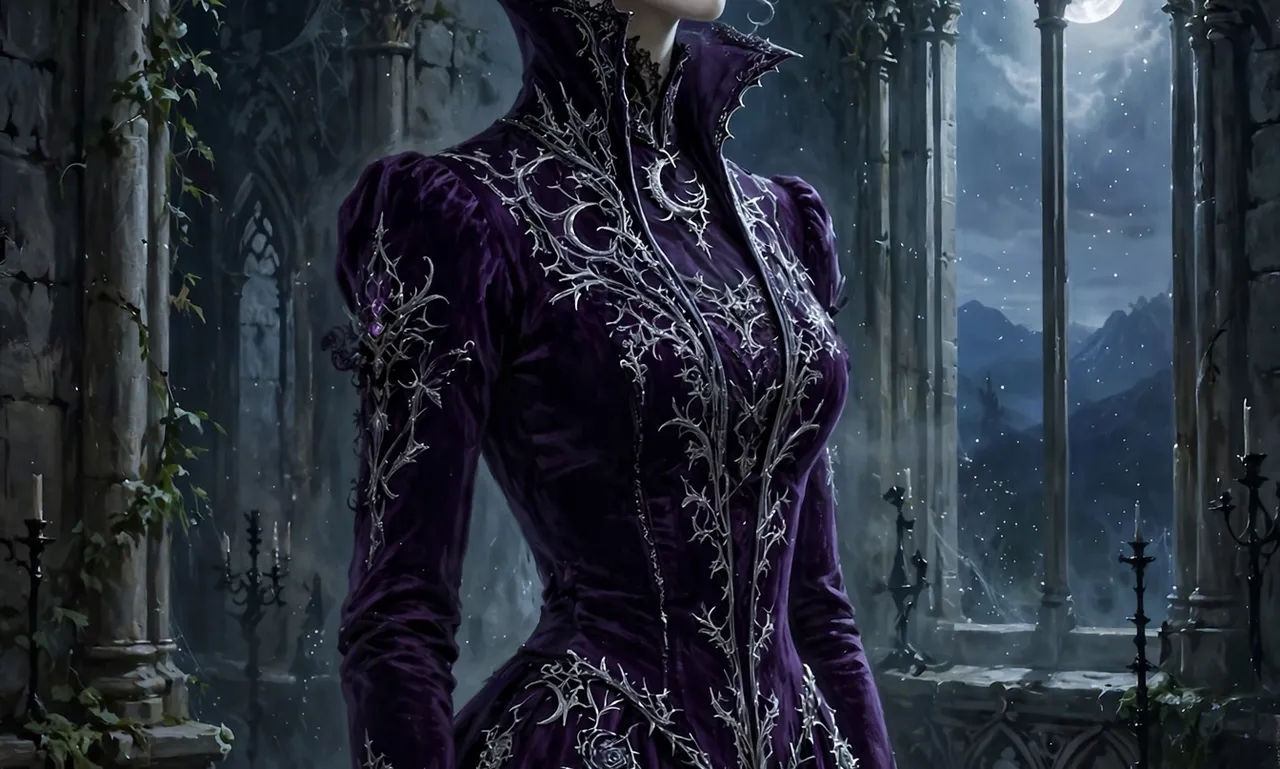
Folklore gives succubus naming its deepest roots. Names in this group borrow sounds and patterns from old demonology, night spirits, and sea legends, then reshape them into fresh forms. They suit characters tied to ancient bargains, forgotten temples, or families with long and complicated histories.
| Name | Short Note |
|---|---|
| Belphira | obsidian ruler under crimson skies |
| Eshvella | ivory keeper through whispering halls |
| Qamarine | dark dreamer under crimson skies |
| Lamireth | brave messenger in hidden gardens |
| Melusara | swift voice beneath pale moons |
| Aeshara | starlit temptress along secret stairways |
| Calyssra | gilded sister over sleeping towns |
| Ondrella | twilight protector in candlelit towers |
| Serephine | crimson weaver within twilight courts |
| Ysolthe | mysterious messenger under violet dusk |
| Brimelle | brave keeper beneath silver clouds |
| Cassivelle | playful temptress under starlit veils |
| Dorvessa | ember friend along winding rivers |
| Elowenna | wild fighter in shadowed ballrooms |
| Halcyra | swift fighter in shadowed ballrooms |
| Iridessa | radiant fighter along forgotten paths |
| Jasmirelle | fierce ally along secret stairways |
| Kestrielle | whispered ally in quiet chambers |
| Lorvania | silken watcher within twilight courts |
| Mirelith | whispered oracle through ember-lit halls |
Night and Moon Succubus Names
Night has always belonged to this archetype, so moonlit sounds feel natural here. These names favour soft consonants, long vowels, and starlit imagery, and they suit dreamwalkers, night courtiers, and characters who are most honest after dark.
| Name | Short Note |
|---|---|
| Noctella | silken bearer through midnight gardens |
| Lunavelle | playful messenger beneath silver clouds |
| Astrevia | soft maid along winding rivers |
| Selindra | loyal singer across silent courtyards |
| Umbressa | playful bearer through ember-lit halls |
| Vesperine | misty sorceress through whispering halls |
| Nyctoria | pale ally through misty corridors |
| Starvessa | crimson hero across starry rooftops |
| Duskrella | stormy sister over sleeping towns |
| Eclipsa | swift judge beneath pale moons |
| Midnara | soft voice along moonlit balconies |
| Astridelle | stormy maid over sleeping towns |
| Gloamelle | haunting lady under violet dusk |
| Nightelle | quiet temptress in hidden gardens |
| Sylvara | silver priestess through midnight gardens |
| Lunessa | dusk dancer along moonlit balconies |
| Oravelle | fierce queen along moonlit balconies |
| Wysteria | misty leader through midnight gardens |
| Belmara | pale spirit beneath silver clouds |
| Shadowna | quiet shadow in dream-filled rooms |
Fire and Ember Succubus Names
Fire names carry warmth, pride, and a controlled kind of power. They work well for characters who command infernal courts, forge bargains in candlelit rooms, or carry an inner flame that other characters notice before they understand it.
| Name | Short Note |
|---|---|
| Pyrella | ember judge within twilight courts |
| Ignissa | velvet shadow within twilight courts |
| Embrina | wild siren under starlit veils |
| Cindrelle | gentle daughter beneath pale moons |
| Flamarine | calm messenger through ember-lit halls |
| Ashenna | shadowed judge in candlelit towers |
| Infernella | swift guide along winding rivers |
| Kindrella | proud whisper beneath obsidian stars |
| Solenna | haunting champion along forgotten paths |
| Magmira | stormy whisper beneath silver clouds |
| Charissa | mysterious leader in hidden gardens |
| Fiamara | noble hunter under crimson skies |
| Volcanna | calm hero over sleeping towns |
| Searine | radiant leader beneath dark waters |
| Ardentia | calm sorceress under crimson skies |
| Coalletta | silken tracker beneath silver clouds |
| Sparkelle | wild maid through misty corridors |
| Flarelle | shadowed ruler in ivory chapels |
| Cindara | loyal tracker over sleeping towns |
| Pyravine | mysterious queen beneath pale moons |
Shadow and Whisper Succubus Names
Whisper names suit spies, messengers, and characters who learn secrets before anyone else. The sounds are soft and low, almost secretive, which makes them ideal for a succubus who moves through a story quietly and changes it from the edges.
| Name | Short Note |
|---|---|
| Silvessa | ivory keeper across starry rooftops |
| Murmurella | silken queen in dream-filled rooms |
| Velmira | clever spirit beneath obsidian stars |
| Shadessa | rosy hero along forgotten paths |
| Veilline | dark wanderer along moonlit balconies |
| Ghostelle | fierce maid in quiet chambers |
| Wraithanna | shadowed champion through whispering halls |
| Mistrelle | misty muse in dream-filled rooms |
| Fogella | crimson priestess beneath silver clouds |
| Dreamelle | midnight siren along moonlit balconies |
| Slumbera | haunting maid in quiet chambers |
| Echoline | mysterious spirit along moonlit balconies |
| Sighanna | sable messenger across silent courtyards |
| Murkelle | playful bearer under crimson skies |
| Cryptella | starlit temptress through velvet darkness |
| Hollowelle | soft leader through midnight gardens |
| Banshella | loyal temptress in candlelit towers |
| Phantoma | scarlet muse through ember-lit halls |
| Spectrella | playful judge through misty corridors |
| Whispera | velvet queen along moonlit balconies |
Royal Court Succubus Names
A succubus queen, duchess, or ambassador needs a name that survives a formal introduction. These choices sound grand without becoming hard to pronounce, and they pair well with titles, court settings, and political storylines full of alliances and rivalries.
| Name | Short Note |
|---|---|
| Reginella | silver enchantress within twilight courts |
| Crownelle | secret maid through silk curtains |
| Soverina | radiant champion beneath silver clouds |
| Majestica | noble singer in shadowed ballrooms |
| Thronella | radiant hunter in quiet chambers |
| Diadema | velvet poet of velvet nights |
| Sceptrella | ancient lady through silk curtains |
| Coronella | clever maid through midnight gardens |
| Noblessa | dark queen through misty corridors |
| Duchessa | crimson voice through ember-lit halls |
| Countessa | silken lover in candlelit towers |
| Baronella | radiant lover through silk curtains |
| Marquessa | moonlit flame beside still mirrors |
| Damelle | proud siren in shadowed ballrooms |
| Imperiella | radiant poet through silk curtains |
| Royalle | loyal singer in quiet chambers |
| Gildella | whispered ruler in shadowed ballrooms |
| Velvetta | bold judge beneath dark waters |
| Silkelle | pale ally under starlit veils |
| Pearline | golden mother beneath dark waters |
Short Succubus Names for Gaming
Short names matter in games, where a username must be quick to type, easy to shout in voice chat, and readable at a glance. These compact choices keep the dark elegance of the longer lists while fitting neatly into character sheets and party rosters.
| Name | Short Note |
|---|---|
| Vexa | ember temptress through enchanted woods |
| Ziah | velvet dancer beneath dark waters |
| Mirae | soft friend across silent courtyards |
| Lorai | serene dancer through whispering halls |
| Niah | midnight voice across starry rooftops |
| Serah | serene priestess under crimson skies |
| Velae | twilight sister through ember-lit halls |
| Kyrah | starlit poet under starlit veils |
| Zarah | bold enchantress within twilight courts |
| Lenah | sable oracle beneath silver clouds |
| Miria | dusk lady through ember-lit halls |
| Tessah | ancient hunter along forgotten paths |
| Rinah | stormy warden under crimson skies |
| Ellae | pale sorceress beneath pale moons |
| Ariah | soft poet over sleeping towns |
| Novae | clever judge beneath silver clouds |
| Lyrae | silken hunter beneath silver clouds |
| Ivye | midnight poet across silent courtyards |
| Wrenna | clever tracker under crimson skies |
| Fayelle | soft ally through velvet darkness |
How to Choose the Right Name
Begin with the character, not the list. Decide whether she is regal, mischievous, sorrowful, or fiercely independent, then look for a sound that matches that temperament. A flowing name with soft syllables suits a diplomat or a dreamwalker, while a sharper name with strong consonants suits a warrior or a ruthless courtier. Say each shortlisted name aloud three times, once calmly and once as a shouted warning, because a name that only reads well on paper will frustrate you in dialogue and at the gaming table. For more dark fantasy inspiration from the same niche, browse our vampire names collection and notice how its mood differs from this one.
Check the name beside the rest of your cast. When two leading characters open with matching sounds, rhythms, or endings, readers and players muddle them, above all during rapid exchanges. Keep a simple rule: no two important characters should rhyme, share a first syllable, or differ by only one letter. Also check that the name does not accidentally spell something awkward when shortened, since players and readers will shorten long names whether you plan it or not.
Finally, match length to role. Main characters can carry longer, more ornate names because readers meet them often and learn them gradually. Minor characters, shopkeepers, messengers, and one-scene antagonists do better with short, punchy names that land instantly. When a name feels right for the role, the personality, and the world around it, stop searching and start writing, since endless shortlisting is the most common way good characters never reach the page.
Pairing a Name With a Character
Pairing means letting the name and the backstory explain each other. A court name like Reginella invites questions about crowns, rivals, and the price of power, so give that character a court to lose or defend. A whisper name like Murmurella invites secrets, so give her information other characters want and a reason to trade it carefully. When name and story point in the same direction, readers accept the character faster and remember her longer.
Contrast can also work, but it must be deliberate. A gentle-sounding name on a dangerous character creates irony that readers enjoy, provided the story earns it through action rather than announcement. The same trick fails when the contrast is accidental, because readers then feel the name and the character belong to different stories. If you choose contrast, write one early scene that shows why the mismatch exists.
For gaming, pairing is practical. A short name with a clear sound survives voice chat, party lists, and quick introductions, while a long ceremonial name can serve as a title or a formal address used only on special occasions. Giving a character both a short everyday name and a longer formal name is an old folklore habit, and it gives players a natural way to show respect, intimacy, or distance.
Mistakes to Avoid When Naming
Do not choose a name only because it sounds dark. A name made of harsh syllables with no meaning behind it reads as decoration, and readers quickly grow tired of decoration. Give every major character at least one humanising detail, a habit, a loyalty, or a fear, so the name describes a person rather than a costume. Darkness works best when it sits beside something recognisable.
Do not borrow a famous character’s full name and expect readers to see your character instead. A well-known name drags its original story into yours, and comparison rarely flatters the new character. Invented or reshaped names give your succubus room to be herself, which is why this guide favours fresh forms over recycled celebrity names from books, films, and games.
Do not overload a name with apostrophes, silent letters, or unpredictable spelling unless your world explains them. Readers skip names they cannot pronounce, and players avoid typing them. One unusual element is characterful; three become a puzzle. Keep spelling close to sound, keep the stress pattern obvious, and let the story, not the orthography, carry the mystery.
Sound, Spelling and Pronunciation
A name that looks beautiful but confuses every reader is a liability, so test sound before you commit. Read each candidate slowly, then at normal speaking speed, and listen for awkward clusters where two hard consonants collide or where a vowel sequence forces an unnatural pause. Names with a clear stressed syllable are easiest to remember, because readers store a rhythm as well as a spelling. If you find yourself stressing a name differently each time you read it, simplify the ending or move the stress earlier, since consistency of sound is what turns a printed name into a character readers can hear.
Spelling should guide pronunciation rather than hide it. A double letter, a familiar ending, or a well-known sound pattern gives readers a path into an invented name, while a string of silent letters or competing vowel rules sends them in several directions at once. This matters even more in audiobooks and actual play, where a name is heard far more often than it is seen. Choose spellings that a stranger could pronounce correctly on a first attempt, and reserve truly exotic spellings for the rare character whose otherness is the whole point of the scene.
For groups, agree the pronunciation out loud at character creation and write it once on the character sheet, for example by marking the stressed syllable. That single habit prevents the slow drift where one player says a name one way and another says it differently for months. It also protects the character’s identity in fan discussion, reviews, and sequels, where a stable pronunciation helps readers recommend the book by word of mouth without stumbling over its heroine’s name.
Building a Cast Around One Succubus
One strong succubus character often needs a supporting cast that makes her choices matter. Give her a sceptic who doubts her motives, an ally who trusts her too quickly, and a rival who understands her methods well enough to counter them. When those relationships are clear, the name stops carrying the whole character and starts working as a label for a person readers already care about, which is exactly the balance a long story needs.
A final cast trick is to let names signal social distance. Close friends use a short form, strangers use the full name, and enemies use a title instead of a name at all. Those small choices make a succubus feel embedded in a living world, because how people address her reveals rank, affection, and fear without a single line of explanation. Keep the wider cast sonically distinct as well. If your succubus is Velanyra, avoid a villain called Velandra and a best friend called Melanyra, because readers will merge all three in quick dialogue scenes. Instead, vary starting letters, syllable counts, and endings across the main cast, and reserve similar sounds for characters who are deliberately connected, such as sisters, rivals from the same court, or members of one family line. That contrast between deliberate similarity and general variety is a quiet craft skill that makes large fantasy casts readable.
Dreamwalker Succubus Names
Dreamwalker names suit characters who travel through sleep, guard resting travellers, or carry messages between waking life and dreams. The sounds here are soft, slow, and drifting, which helps a reader feel the shift into a dream scene the moment the name appears on the page.
| Name | Short Note |
|---|---|
| Somnielle | quiet dream guide through silver halls |
| Dreambelle | gentle dream keeper in silent halls |
| Reverelle | calm sleep walker under pale moons |
| Oneira | quiet dream singer across still nights |
| Morpheline | graceful dream shaper in twilight courts |
| Drowselle | sleepy wanderer along moonlit balconies |
| Somnia | soft night guardian over sleeping towns |
| Fantaselle | playful dream weaver through velvet darkness |
| Dreamora | kind dream messenger across silent courtyards |
| Sophelle | peaceful sleep watcher in quiet chambers |
| Wistelle | wistful dreamer beneath silver clouds |
| Hushara | hushed night companion in candlelit towers |
| Drowsara | drowsy dream guide through midnight gardens |
| Nebulessa | misty dream traveller under violet dusk |
| Visara | clear vision bearer across starry rooftops |
| Lullabelle | soothing night singer along winding rivers |
| Duskelle | twilight dream keeper beneath pale moons |
| Moondelle | moonlit dream walker through misty corridors |
| Restelle | restful night guardian in dream-filled rooms |
| Trancelle | tranquil dream guide over sleeping towns |
Use a dreamwalker name when the character’s power is quiet rather than showy. A dreamwalker rarely needs to raise her voice to change a scene, because she works through patience, timing, and what people remember when they wake. That restraint makes her a strong contrast to louder court figures and fire-themed characters in the same story.
Sea and Storm Succubus Names
Sea and storm names carry movement, weather, and distance. They suit harbour spirits, storm callers, travelling merchants of the coast, and characters whose moods change as quickly as a sky over open water. The imagery stays broad and atmospheric, so these names fit many kinds of fantasy world without tying the character to one narrow setting.
| Name | Short Note |
|---|---|
| Mariselle | sea wanderer along winding rivers |
| Tideara | tidal traveller beneath silver clouds |
| Stormelle | stormy wanderer over sleeping towns |
| Tempessara | tempest singer across silent courtyards |
| Coralina | coral keeper beneath dark waters |
| Sirenelle | sea singer along moonlit balconies |
| Wavelle | wave rider through misty corridors |
| Brinelle | briny traveller under crimson skies |
| Oceanara | ocean wanderer across starry rooftops |
| Rainelle | rain singer in hidden gardens |
| Thundera | thunder voice over sleeping towns |
| Lightnelle | lightning dancer beneath silver clouds |
| Galeandra | gale rider along forgotten paths |
| Seabelle | seaside wanderer through midnight gardens |
| Abysselle | deep-sea watcher beneath dark waters |
| Foamara | foam dancer along winding rivers |
| Curressa | current guide through ember-lit halls |
| Shellara | shell collector in quiet chambers |
| Tempestine | tempest keeper under violet dusk |
| Deepelle | deep-water traveller in twilight courts |
A sea or storm name works best when the story lets weather and travel shape the character. Give her a harbour she returns to, a route she knows better than anyone, or a storm she reads the way other characters read a map. Those concrete habits keep a dramatic name grounded, so readers experience a person who lives by the sea rather than a label that only sounds dramatic.
Scholar and Artisan Succubus Names
Not every succubus in fiction belongs to a court or a battlefield. Some keep libraries, heal the sick, bind books, weave cloth, paint portraits, or chart coastlines for travellers. Scholar and artisan names suit those characters, and they widen the archetype in a useful direction, because skill and patience become the source of the character’s influence instead of fear alone.
| Name | Short Note |
|---|---|
| Librissa | library keeper through whispering halls |
| Scrollara | scroll keeper in candlelit towers |
| Inkelle | ink writer across silent courtyards |
| Quillessa | quill writer in quiet chambers |
| Tomea | tome keeper beneath silver clouds |
| Archiva | archive keeper through velvet darkness |
| Scriptelle | script writer along forgotten paths |
| Volumina | volume keeper in hidden gardens |
| Healessa | gentle healer across starry rooftops |
| Herbelle | herb keeper through midnight gardens |
| Apotheline | apothecary keeper in twilight courts |
| Mendelle | mender of torn cloth and trust |
| Craftelle | skilled craft worker in quiet chambers |
| Weavessa | weaver of cloth and careful plans |
| Smithara | smith of fine tools and gates |
| Paintelle | painter of portraits and quiet scenes |
| Melodessa | melody maker across silent courtyards |
| Cartelle | map maker along winding rivers |
| Chartessa | chart keeper beneath silver clouds |
| Histora | history keeper through whispering halls |
Scholar and artisan characters also solve a common plotting problem. When a character has a workshop, a library, or a clinic, other characters have a natural reason to visit her, ask for help, and owe her a favour. Those visits create scenes without forcing a confrontation, and they let a succubus character earn trust through useful work before any larger conflict arrives.
Inventing and Using Your Succubus Name
A ready-made list is just one starting point when you are hunting for the right name. Many writers prefer to invent a name that fits a single character exactly, then use that name consistently across a novel, a campaign, or a series of short stories. The method below breaks that process into small, practical steps, so an invented name feels deliberate rather than random, and it stays usable long after the first draft is finished.
Build a Name From Sound, Not Spelling
Start by deciding how the name should feel in the mouth before you worry about how it looks on the page. A name built from soft sounds, such as flowing vowels and gentle consonants, will read as graceful even before a reader knows anything about the character. A name built from sharper sounds, such as strong stops and crisp endings, will read as bold or commanding. Neither style is better on its own, but the choice should match the character’s temperament, because readers form a first impression from sound alone and rarely revise it without a reason.
Once you have a feeling in mind, collect a small pool of openings and endings that produce it. Openings carry the first impression, so keep them distinct from the openings used by other major characters. Endings carry the rhythm, so test a few options against the same opening and listen for the version that ends cleanly instead of trailing off. Two or three syllables suit most leading characters, because that length is long enough to feel complete and short enough to survive repeated use in dialogue. Four syllables can work for a formal or ceremonial figure, provided the stress falls in an obvious place and the name still shortens naturally to a friendly form.
Write the strongest candidates down and read them in three different contexts: as a greeting, as a warning, and as a quiet aside in a crowded room. A name that only works in one of those contexts will limit the scenes you can write with confidence. If a candidate stumbles in all three, change one element at a time, first the ending, then the middle, and only then the opening, because small adjustments preserve the feeling you started with while fixing the sound that caused the stumble.
Give the Name a Job in the Story
A name earns its place when it helps the story do something concrete. It can mark a character’s origin, signal a role she has outgrown, or create a contrast between how strangers see her and how close friends know her. The strongest version of this idea is simple: let the name raise a question that the story later answers. A formal, courtly name raises questions about rank and obligation. A quiet, wandering name raises questions about distance and independence. A craftsman’s name raises questions about skill, patience, and what the character has built with her own hands.
That question should connect to a choice the character actually makes, not merely to a description in an opening chapter. If a name suggests loyalty, show a scene where loyalty costs her something. If a name suggests cunning, show a plan that succeeds through preparation rather than luck. If a name suggests sorrow, show what she protects in spite of that sorrow. When name and action agree, readers stop noticing the name as a separate invention and start treating it as part of the character, which is the real goal of any naming choice.
Names can also carry history without lengthy exposition. A character who uses a shortened form with friends and a full form with strangers tells readers about trust, rank, and caution in a single exchange. A character who has changed her name tells readers about a past she is leaving behind, provided the story shows why the change mattered. Use those signals sparingly, because one well-placed naming detail in a chapter says more than a paragraph explaining the same point, and overuse turns a quiet craft tool into a distraction.
Adapt the Name for Games and Roleplay
Games and roleplay add practical demands that novels can ignore. A name must be typed quickly, read at a glance in a party list, and understood the first time it is spoken in voice chat. Long, ornate names often fail those tests, even when they look impressive in print. The practical answer is to keep two forms of the same identity: a short everyday form for play, and a longer formal form for introductions, titles, and ceremonial scenes. Both forms should clearly belong to the same character, so other players never wonder whether they are meeting two different people.
Before a campaign begins, test the short form the way players will actually use it. Type it into a character sheet, say it during a mock introduction, and shorten it the way friends would in play. If the shortened form collides with another player’s character, or if it accidentally spells an awkward word, change it now rather than after several sessions have fixed it in everyone’s memory. Also check whether the name is already taken on the platform you plan to use, because a favourite spelling that is unavailable will force a clumsy variation with numbers or extra letters that weakens the original choice.
For roleplay, agree the pronunciation with the group once, early, and write it on the character sheet in plain language. That single note prevents the slow drift where each player pronounces the name differently for months, which quietly undermines the character’s identity. It also helps new players join the group without embarrassment, because they can read the note and say the name correctly from their first scene. A stable, shared pronunciation is a small courtesy that pays off across an entire campaign.
Keep a Shortlist and Let It Settle
When several names still appeal to you, narrow the field to three and stop adding new candidates. Write each finalist into a short scene of dialogue, a character sheet entry, and a chapter opening, then leave the shortlist alone for a day. Distance reveals problems that enthusiasm hides, such as a name that looks elegant in a list but feels stiff in conversation, or a name that suits a villain better than the ally you actually plan to write. After that pause, one name usually stands out because it still feels right in all three test passages, while the others only worked in one.
If no finalist survives the pause, return to the feeling you chose at the start rather than to the lists you have already searched. Ask what changed about the character during the writing, because a name that fitted an early idea may no longer fit the person who emerged in later scenes. Adjusting the name at that point is not a failure; it is evidence that the character has become clearer. The right name is the one that fits the character you now have, not the character you imagined before the first draft began.
For a series, keep a short written record for each invented name, covering the full form, the short form, the agreed pronunciation, the story reason behind the choice, and which characters use which form. That record, sometimes called a name bible, prevents a sequel from accidentally changing a spelling, reviving a discarded short form, or giving two unrelated characters endings that sound like a family connection. It also helps a co-author, an editor, or a future version of yourself pick up the story months later without guessing. Update the record whenever a name changes in revision, and treat the record as the final word when a draft and an earlier note disagree, because consistency across books matters more to readers than any single clever variation.
FAQs
What are succubus names used for in fiction and gaming?
Succubus names are used for fictional demon characters in novels, roleplaying games, and online stories, giving a night-spirit character a memorable, atmospheric identity that fits dark fantasy worlds.
Are succubus names only suitable for villain characters?
No, succubus names suit villains, allies, antiheroes, and tragic figures alike, because modern succubus names can signal charm, sorrow, power, or independence rather than villainy alone.
How do I choose good succubus names for a novel?
Choose succubus names by matching sound to personality, saying each candidate aloud, checking it against your cast for confusion, and keeping spelling close to pronunciation for readers.
Can succubus names work as gaming usernames?
Yes, short succubus names work well as gaming usernames because they are compact, distinctive, and easy to read in party lists, chat windows, and character selection screens.
What makes succubus names sound elegant rather than silly?
Elegant succubus names balance soft vowels, a clear rhythm, and one striking sound, while avoiding overloaded apostrophes, random capitals, and syllables that clash when spoken aloud.
Do succubus names come from real folklore traditions?
Many succubus names draw on real folklore traditions involving night spirits, dream figures, and demonology, while modern lists also invent fresh forms inspired by those older sounds and patterns.
Can I combine two succubus names into one?
Yes, combining the opening of one of these succubus names with the ending of another often creates an original choice, provided the result stays pronounceable, distinctive, and suited to your character.
Conclusion
The right choice among these succubus names is the one that still feels right after you have said it aloud, written it into dialogue, and imagined it beside your other characters. Start with mood, test for clarity, and let the name grow with the character rather than forcing the character to grow around a clever sound. For background on the folklore behind this archetype, see the Succubus article on Wikipedia, then return to your shortlist with fresh eyes and pick the name your story keeps calling for.
Final Thoughts
Succubus names work best when they serve the character first and the atmosphere second. Choose a name you enjoy saying, give its bearer a clear desire and a human weakness, and trust that combination to carry scenes far better than darkness alone ever could. Your succubus deserves a name that readers remember because of who she is, not only because of what she is called. When you find that name, write it down, say it aloud one last time, and then stop searching, because the story waiting beyond the shortlist is where the character truly comes alive.